
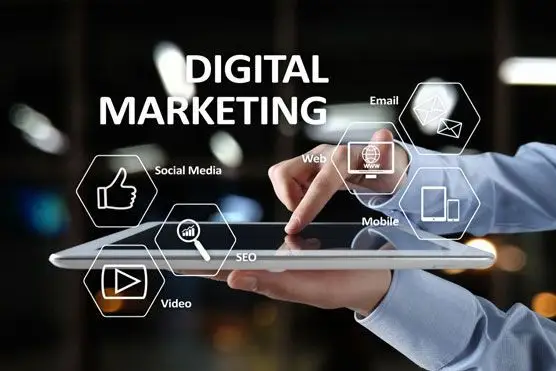
In today’s fast-paced and technology-driven era, digital marketing has become one of the most powerful tools for businesses of all sizes. With billions of people using the internet daily, companies can no longer rely solely on traditional marketing methods such as newspapers, billboards, and television ads. Digital marketing enables businesses to reach their target audience more effectively, build strong relationships, and achieve measurable growth.
This article explores the importance of digital marketing and why it has become essential for modern businesses.
1. Global Reach with Local Targeting
One of the biggest advantages of digital marketing is its ability to reach a global audience. Through websites, social media platforms, and search engines, businesses can connect with customers across different countries and regions.
At the same time, digital marketing allows precise local targeting. For example, platforms like Google and Facebook enable businesses to run ads targeting specific cities, age groups, interests, and behaviors. This combination of global exposure and local precision makes digital marketing extremely powerful.
2. Cost-Effective Marketing Strategy
Compared to traditional marketing, digital marketing is highly cost-effective. Small and medium-sized businesses (SMEs) often have limited budgets, and digital platforms allow them to compete with larger companies without spending huge amounts of money.
For instance:
- Social media marketing requires minimal investment.
- Email marketing campaigns are inexpensive.
- Search Engine Optimization (SEO) focuses on organic traffic without paying for every click.
Even paid campaigns such as Pay-Per-Click (PPC) advertising allow businesses to control their budgets and measure returns accurately.
3. Measurable and Data-Driven Results
One of the most important aspects of digital marketing is measurability. Unlike traditional marketing, where tracking performance can be difficult, digital marketing provides detailed analytics and insights.
Tools like Google Analytics help businesses track:
- Website visitors
- User behavior
- Conversion rates
- Traffic sources
- Sales performance
This data-driven approach allows companies to refine their strategies, improve campaigns, and maximize return on investment (ROI).
4. Improved Customer Engagement
Digital marketing creates direct communication channels between businesses and customers. Social media platforms, email, live chat, and websites allow brands to interact with their audience in real time.
For example:
- Responding to comments on social media.
- Sending personalized email offers.
- Using chatbots for instant support.
This engagement builds trust and strengthens relationships. Customers feel valued when brands respond quickly and provide helpful information.
5. Brand Awareness and Online Presence
In today’s digital age, customers search online before making purchasing decisions. If a business does not have an online presence, it may lose credibility.
Having:
- A professional website
- Active social media accounts
- Positive online reviews
helps build brand awareness and trust. Search engines like Google play a major role in this process. When customers search for products or services, businesses that appear on the first page gain more visibility and authority.
6. Targeted Advertising
Digital marketing allows businesses to deliver personalized content and advertisements to specific audiences. Instead of showing ads to everyone, companies can focus on people who are most likely to be interested.
For example:
- Targeting users who have visited your website.
- Showing ads based on search history.
- Running remarketing campaigns.
This targeted approach increases conversion rates and reduces wasted marketing efforts.
7. Higher Conversion Rates
With proper strategies such as SEO, content marketing, email marketing, and paid ads, businesses can convert visitors into customers more efficiently.
Digital marketing funnels guide users through stages:
- Awareness
- Interest
- Consideration
- Purchase
Optimized landing pages, strong call-to-action (CTA) buttons, and persuasive content increase the chances of converting leads into sales.
8. Competitive Advantage
In a competitive market, businesses that adopt digital marketing strategies gain a significant advantage. Companies that ignore digital platforms risk losing customers to competitors who have stronger online visibility.
Even small businesses can compete with large corporations through:
- High-quality content
- Niche targeting
- Strong SEO strategies
Digital marketing levels the playing field, allowing creativity and strategy to outperform budget size.
9. Mobile Accessibility
With the rapid growth of smartphones, mobile marketing has become essential. A large percentage of internet users access websites and social media via mobile devices.
Responsive website design, mobile-friendly emails, and app-based marketing ensure businesses remain accessible anytime and anywhere. This constant availability increases customer engagement and sales opportunities.
10. Supports Business Growth and Expansion
Digital marketing supports long-term business growth by:
- Increasing customer base
- Improving brand loyalty
- Generating consistent leads
- Expanding into new markets
Online platforms also allow businesses to test new products and services quickly. Feedback collected through reviews and surveys helps improve offerings and customer satisfaction.
11. Builds Trust and Credibility
Online reviews, testimonials, and customer feedback play a vital role in building trust. Platforms like Google Reviews and social media pages allow customers to share experiences.
Positive reviews influence purchasing decisions and enhance brand reputation. Businesses that actively manage their online reputation demonstrate professionalism and reliability.
12. Integration with Multiple Channels
Digital marketing integrates various channels such as:
- Search engines
- Social media
- Email marketing
- Content marketing
- Affiliate marketing
- Influencer marketing
These channels work together to create a unified marketing strategy. For example, a blog post optimized for SEO can be shared on social media and promoted through email campaigns.
13. Real-Time Adaptability
Market trends change quickly, and digital marketing allows businesses to adapt in real time. Campaigns can be modified instantly based on performance data.
If an advertisement is not performing well, adjustments can be made immediately. This flexibility reduces risk and improves efficiency.
Conclusion
Digital marketing is no longer optional—it is essential for businesses that want to survive and grow in the modern world. Its cost-effectiveness, global reach, measurable results, and ability to target specific audiences make it a powerful marketing tool.
From improving brand awareness to increasing sales and customer engagement, digital marketing plays a crucial role in business success. Companies that invest in strong digital strategies gain a competitive edge, build lasting customer relationships, and achieve sustainable growth.